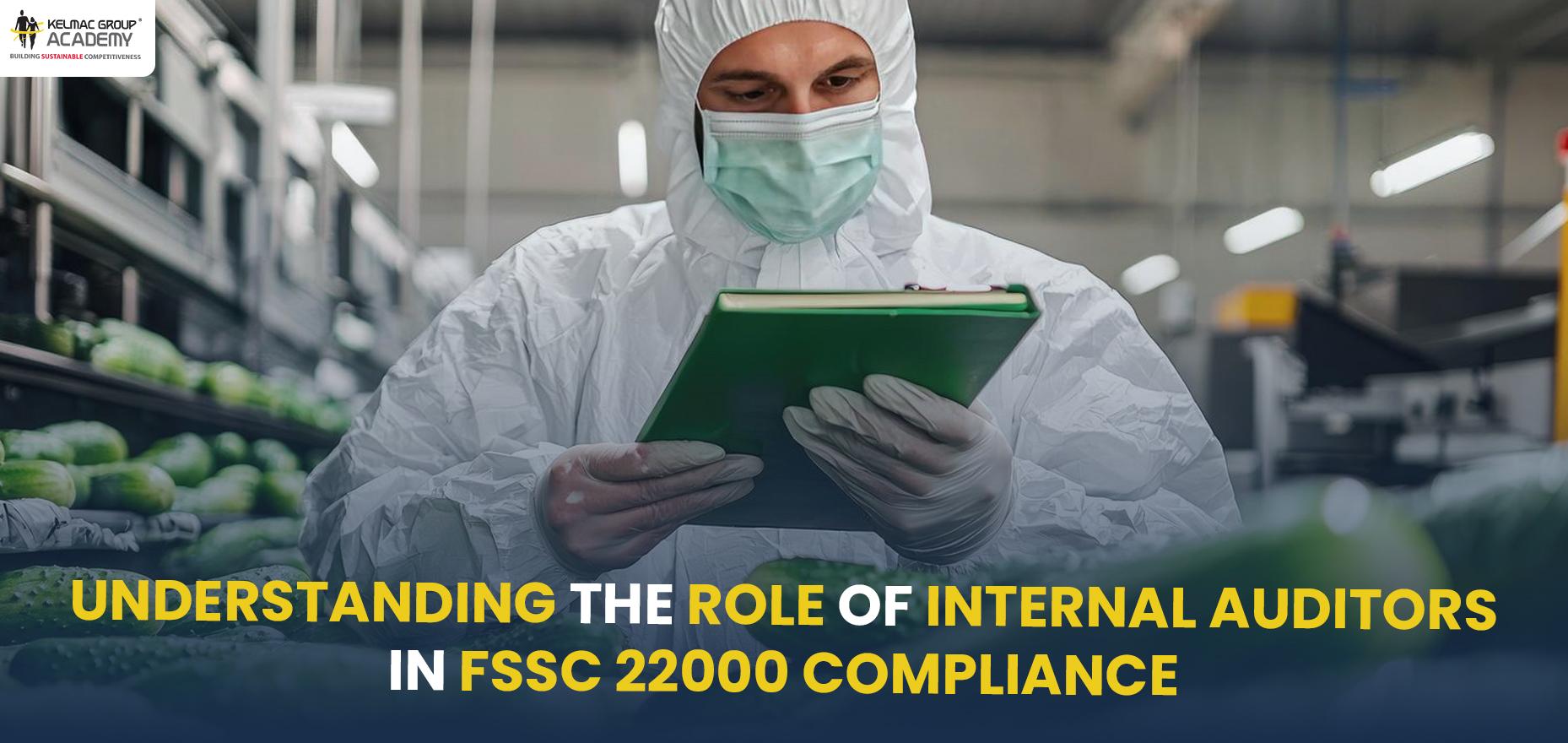
Understanding the Role of Internal Auditors in FSSC 22000 Compliance
In the global food industry, the importance of robust food safety measures cannot be understated. As consumers demand higher standards and regulatory frameworks evolve, certifications like FSSC 22000 have become essential. Central to maintaining this certification is the vital role played by internal auditors, who are instrumental in ensuring compliance and fostering continual improvement.
The Crucial Role of Internal Auditors
Internal auditors act as the foundation of a strong Food Safety Management System (FSMS). Their work involves evaluating internal processes, identifying weaknesses, and recommending improvements to align operations with FSSC 22000 requirements. By conducting systematic and unbiased audits, they help organisations address potential issues before they escalate, ensuring compliance and readiness for external assessments.
In addition to their auditing responsibilities, internal auditors play a significant role in creating a culture of food safety within an organisation. They engage teams at all levels, fostering awareness and accountability and ensuring that food safety remains a shared priority.
Why Compliance with FSSC 22000 Matters
Achieving FSSC 22000 certification is not merely about meeting regulatory standards. It demonstrates an organisation's commitment to delivering safe, high-quality products while minimising risks associated with foodborne illnesses. Certification also enhances credibility and facilitates access to international markets. Internal auditors are key to sustaining this certification through regular monitoring and continuous improvement efforts.
FSSC 22000 Internal Auditor Training: Building Expertise
To be effective, internal auditors require comprehensive training tailored to the specific demands of FSSC 22000. FSSC 22000 internal auditor training equips professionals with the tools to conduct thorough audits and address areas of non-conformance. Topics covered in such training typically include:
A detailed overview of FSSC 22000 requirements.
Techniques for planning and executing audits.
Methods for identifying root causes and implementing corrective actions.
Best practices for reporting and documentation.
By undertaking this specialised training, auditors gain the confidence and competence to evaluate their organisation's FSMS effectively, contributing to both compliance and operational excellence.
Benefits of an FSSC 22000 Internal Auditor Course
Professionals aiming to specialise in food safety can greatly benefit from an FSSC 22000 internal auditor course. These courses provide in-depth knowledge and practical skills tailored to the intricacies of the FSSC 22000 standard. Participants learn how to:
Assess compliance with precision and efficiency.
Facilitate constructive communication during audits.
Drive meaningful changes through actionable audit findings.
Completing such a course not only strengthens individual capabilities but also enhances the organisation's overall food safety practices, ensuring long-term success.
Addressing Challenges Faced by Internal Auditors
Internal auditors often encounter resistance to change, resource constraints, and conflicting priorities. Overcoming these challenges requires strong interpersonal skills, an in-depth understanding of FSSC 22000, and the ability to articulate the value of compliance to all stakeholders. By doing so, auditors can bridge gaps and foster a proactive approach to food safety.
Kelmac Group: Supporting Food Safety Professionals
Kelmac Group provides industry-leading training solutions designed to empower food safety professionals. Their programmes emphasise practical application and are tailored to meet the evolving needs of the food industry. From foundational concepts to advanced audit techniques, Kelmac Group equips participants with the expertise needed to excel in their roles.
Conclusion
Internal auditors are the cornerstone of successful FSSC 22000 compliances. Their work ensures that organisations not only achieve but also sustain certification through continuous improvement. By investing in comprehensive training—such as an FSSC 22000 internal auditor course—organisations can unlock new levels of food safety excellence, driving both compliance and competitiveness in an ever-evolving industry.
