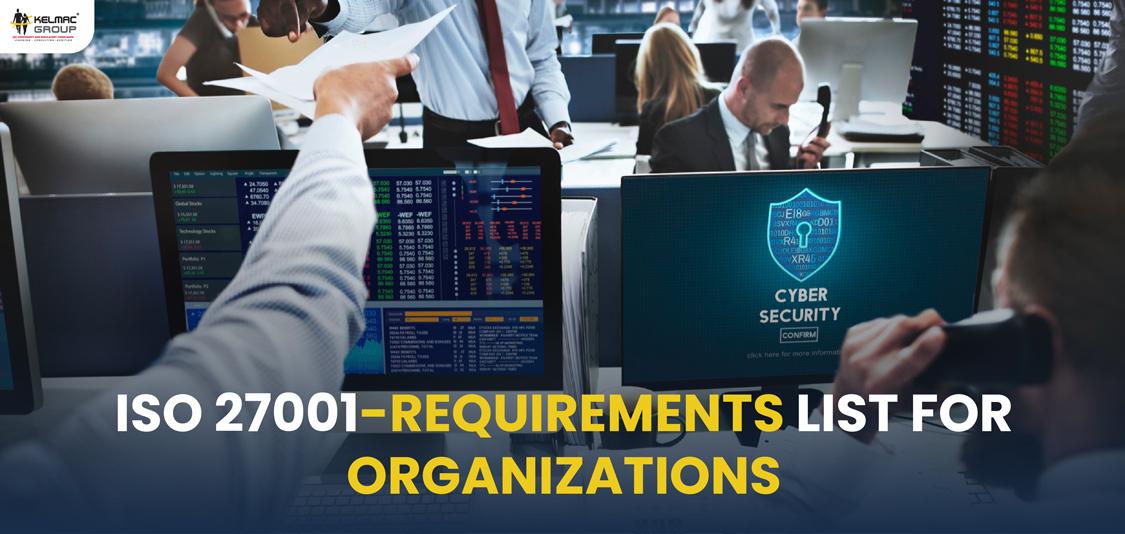
For any organization, safeguarding sensitive information is critical. In our increasingly digital world, cyberattacks are a growing concern. To effectively protect valuable data, ISO 27001 offers a comprehensive solution.
ISO 27001 is an internationally recognized standard that establishes guidelines for creating, implementing, maintaining, and continuously improving an Information Security Management System (ISMS). Organizations seeking ISO 27001 certification must meet specific requirements outlined within the standard.
Key Requirements of ISO 27001
ISO 27001 covers various aspects of information security management. A crucial requirement is establishing a robust risk assessment process. This involves identifying and evaluating potential threats to the confidentiality, integrity, and accessibility of information. Through a thorough risk assessment, organizations can pinpoint vulnerabilities and implement appropriate controls to minimize those risks.
Another vital requirement is developing and implementing an information security policy. This policy, aligned with the organization's overall goals, should provide a framework for managing information security risks. It should clearly define roles and responsibilities for employees, acceptable use of information assets, and procedures for incident response and business continuity.
Our ISO 27001 Courses:
- ISO/IEC 27001 Internal Auditor Training Course
- ISO/IEC 27001 2022 Lead Auditor Certification Training Course
- ISO IEC 27001 2022 Internal Auditor Training Course
Furthermore, ISO 27001 mandates that organizations establish a system to monitor, measure, and assess the effectiveness of the ISMS. This includes conducting regular internal audits to ensure compliance with the standard and identify areas for improvement. By continuously reviewing the ISMS's effectiveness, organizations can proactively address any weaknesses or gaps in their information security controls.
Why Organizations Benefit from Following ISO 27001
In today's digital world, information security is a top priority for organizations of all sizes. The ISO 27001 standard provides a proven framework for managing information security risks and protecting sensitive data. Here's how following ISO 27001 requirements benefits organizations:
- Systematic Approach to Security: ISO 27001 offers a structured method for identifying and addressing potential security weaknesses. By following the standard, organizations can proactively reduce the chances of data breaches and cyberattacks.
- Enhanced Reputation and Credibility: Achieving ISO 27001 certification demonstrates an organization's commitment to information security. This can boost customer confidence and give stakeholders peace of mind that their data is well-protected.
- Compliance with Regulations: Many industries have legal requirements for data protection. ISO 27001 helps organizations comply with these regulations, such as the General Data Protection Regulation (GDPR) in Europe, by ensuring they have the necessary security measures in place.
- Continuous Improvement: ISO 27001 is not a one-time fix. The standard emphasizes ongoing review and refinement of information security practices. This allows organizations to adapt to evolving threats and maintain a strong security posture.
Key ISO 27001 Requirements
Here's a glimpse into some of the core requirements of ISO 27001:
- Information Security Policy: Organizations need a clear policy outlining their approach to information security and how they manage risks.
- Risk Assessment and Management: A thorough assessment helps identify potential threats to information confidentiality, integrity, and availability. Appropriate controls are then implemented to mitigate these risks.
- Asset Management: Organizations must identify and manage all their information assets, including physical assets like computers and digital assets like databases.
- Access Control: Strict controls ensure only authorized individuals can access sensitive information. This may involve strong passwords, user authentication, and regular access reviews.
- Data Protection: Encryption and other cryptographic controls safeguard the confidentiality, integrity, and authenticity of information.
- Physical and Environmental Security: Measures are put in place to protect information assets from physical threats like theft, fire, or natural disasters.
- Operational Security: Procedures are established for the secure operation of information systems, including media handling, backups, and incident response plans.
- Communication Security: Controls ensure the confidentiality, integrity, and availability of information during transmission.
- Supplier Management: Organizations assess and monitor the security practices of any vendors who have access to sensitive information.
- Security Incident Management: A process is established for identifying, responding to, and recovering from information security incidents.
- Compliance: Regular audits and reviews ensure ongoing adherence to legal, regulatory, and contractual requirements related to information security.
Conclusion
By following ISO 27001, organizations gain a valuable tool for safeguarding information assets and building trust with stakeholders. The standard provides a comprehensive framework for managing information security risks, promoting a culture of security awareness, and achieving continuous improvement.
For those seeking a deeper understanding of ISO 27001, specific auditor courses can equip individuals with the knowledge and skills required to implement and maintain an effective information security management system.
Relevant Articles
