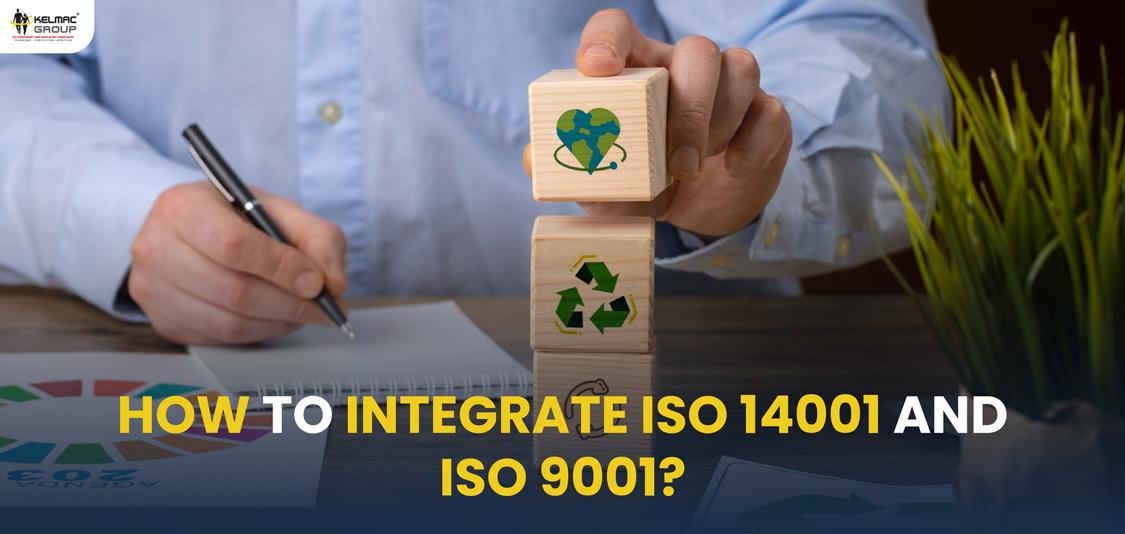
If you have an ISO 9001 complaint and you want to integrate it with EMS as per ISO 14001, then you may think of it as a very daunting task. However, in reality, it is an easy process because many processes are the same in both of these systems. Integrating ISO 9001 with ISO 14001 can save you time and money, and you can use the resources towards maintaining one Management system instead of two. Here we will uncover how to integrate ISO 14001 and ISO 9001 in detail.
Why integrate ISO 9001 & ISO 14001?
ISO 9001 and ISO 14001 work well together and can really help a business get better at what it does while being more environmentally friendly. Think of these two ISOs as having a common structure called Annex SL. This means they have the same order and format for their rules.
When you combine these ISOs, you can create one system that is documented and managed in a single place. This makes it easy to make changes and improvements across your business, and it reduces the chance of problems later on
Explore 14001 Courses:
Managing compliance in different areas takes less time, and you only need one person, an IMS manager, to do it. This helps you be excellent and get things done better. You also have control over compliance all the time with our digital system Atlas ISO. It has built-in controls for documents and digital templates, and it can automatically manage tasks for you.
Explore Our ISO 9001 Courses:
Process to Integrate ISO 14001 and ISO 9001?
To set up your ISO 14001-compliant Environmental Management System (EMS), you'll start by using the things you already do in your business. However, there will be some new things you'll need to create, like additional ways of doing tasks and following certain rules.
Environmental Policy: Make a new set of rules for how your company deals with environmental matters. You can use your usual way of creating and sharing rules, or just adjust the ones you already have. These rules should include the goals and guidelines that will help you properly guide and take care of your environmental management system.
Objectives, Targets, and Programs: Even though you already have a way of setting and keeping track of goals, you'll need to update it. This time, include specific targets and programs related to the environment. ISO 9001 doesn't require this, but it's important for managing your environmental goals effectively. So, create new goals and targets for taking care of the environment, and develop programs to achieve them.
Legal Requirements: Create a new system to make sure you know and follow all the environmental laws that apply to your company. This system should help you stay updated on any changes to the laws. Understanding these laws and how they relate to your company is really important for the next steps.
Environmental Aspects: This is another important new system required by ISO 14001. You'll need to figure out all the ways your company's activities affect the environment. Then, you'll need to decide which of these impacts are significant and which are not. For the significant impacts, you'll later need to figure out the criteria and controls needed to make sure they don't cause big harm to the environment.
How to Make ISO 14001 and ISO 9001 Integration Easier?
If you figure out which parts of your current management system can be used for your environmental management system, you'll save time and effort. This is because you'll already know and have in place the processes needed. It'll be easier to get your employees on board, and that way, it won't take as long to set up your environmental management system in your organization. Avoiding duplication is important to make your management systems as efficient as possible.
FAQs
Q1: How can I integrate ISO 14001 and ISO 9001?
A1: The integration of ISO 14001 and ISO 9001 involves aligning the environmental management system (EMS) and quality management system (QMS) processes. Identify common elements, streamline documentation, and ensure compliance with both standards.
Q2: What are the key benefits of integrating ISO 14001 and ISO 9001?
A2: Integrating ISO 14001 and ISO 9001 can enhance efficiency, reduce duplication, and improve overall organizational performance. It promotes a holistic approach to quality and environmental management, fostering continuous improvement.
Q3: Can I use a single management system for both ISO 14001 and ISO 9001?
A3: Yes, a well-designed integrated management system (IMS) can combine ISO 14001 and ISO 9001 requirements. This streamlines processes, documentation, and audits, leading to improved effectiveness and resource optimization.
Q4: What challenges should I anticipate during the integration process of ISO 14001 and ISO 9001?
A4: Common challenges include aligning differing terminology, addressing varying stakeholder expectations, and managing the transition period. Planning, communication, and employee training are crucial to overcoming these challenges successfully.
Q5: Are there any specific documentation requirements for the integrated ISO 14001 and ISO 9001 system?
A5: Documented information should cover both environmental and quality aspects, ensuring compliance with ISO 14001 and ISO 9001. Maintain clear records of processes, policies, and procedures to facilitate audits and continual improvement.
When the management wants you to rank virat-kohli-related keywords, you take shortcuts.
