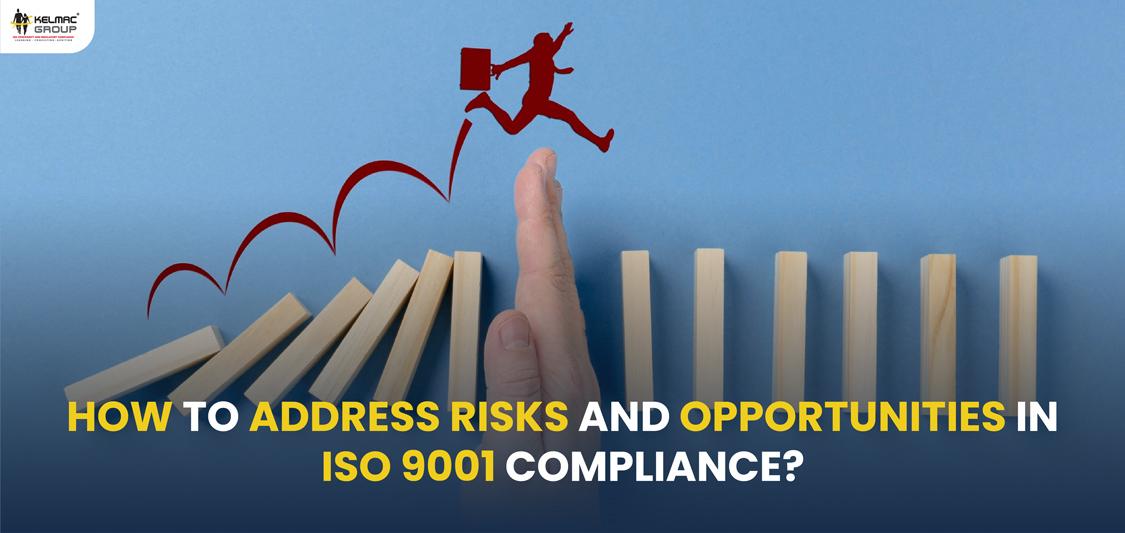
Organisations are continually seeking ways to enhance their operational efficiency, product quality, and overall customer satisfaction. ISO 9001, a globally recognised quality management standard, provides a robust framework for achieving these objectives. However, it's essential to understand that ISO 9001 compliance isn't just about meeting the requirements but also about addressing risks and capitalising on opportunities. In this article, we will delve into the intricacies of ISO 9001 compliance, focusing on how to effectively manage risks and identify opportunities within this framework.
Understanding ISO 9001: A Brief Overview
ISO 9001 is an internationally recognised standard for Quality Management Systems (QMS). It provides a framework for organisations to establish and maintain processes that ensure quality products and services, customer satisfaction, and continuous improvement. ISO 9001 compliance is not just a certification; it's a commitment to excellence.
Explore Our ISO 9001 Courses:
Identifying Risks in ISO 9001 Compliance
The journey to ISO 9001 compliance begins with a comprehensive risk assessment. This step allows organisations to identify potential vulnerabilities and pitfalls within their existing processes. By doing so, they can proactively mitigate risks and ensure a smoother compliance process.
Common Risks in Compliance
Inadequate Documentation: Poorly documented processes can lead to confusion and errors. Comprehensive documentation is key to successful compliance.
Lack of Employee Engagement: Without engaged employees, it's challenging to implement and sustain ISO 9001 standards. Staff training and involvement are crucial.
Failure to Monitor Performance: Regular performance monitoring is necessary to track progress and identify areas for improvement.
Embracing Opportunities in ISO 9001 Compliance
Improved Efficiency: ISO 9001 compliance streamlines processes, reduces waste, and enhances overall efficiency. It enables organisations to use their resources more effectively, leading to cost savings and increased competitiveness.
Enhanced Reputation: Certification to ISO 9001 enhances an organisation's reputation, signalling to clients and partners a strong commitment to quality and customer satisfaction. This can open doors to new business opportunities.
Innovation and Growth: The ISO 9001 framework encourages a culture of innovation and continuous improvement. By constantly seeking ways to enhance processes and products, organisations can achieve sustainable growth and adapt to changing market dynamics.
Increased Customer Satisfaction: A central tenet of ISO 9001 is customer focus. By understanding and meeting customer needs, organisations not only enhance their reputation but also ensure long-term customer loyalty and satisfaction.
Implementing ISO 9001: Best Practices
To navigate the path towards ISO 9001 compliance effectively, consider the following best practices:
Strong Leadership: Ensure top-down commitment to ISO 9001 compliance, with leaders setting an example for all employees.
Comprehensive Training: Invest in training and development programs to empower employees with the necessary skills and knowledge.
Continuous Improvement: Encourage a culture of ongoing improvement to keep evolving and meeting changing demands.
Regular Audits: Schedule regular internal audits to identify issues and opportunities for refinement.
Customer-Centric Approach: Keep the customer at the core of your operations and decision-making processes.
Related Articles:
FAQs
Q1: What is ISO 9001 Compliance, and why is it important?
A1: ISO 9001 Compliance refers to adhering to the standards set by the International Organisation for Standardisation (ISO) for quality management systems. It's important as it ensures consistent product or service quality, customer satisfaction, and regulatory compliance.
Q2: What are the risks associated with ISO 9001 Compliance?
A2: Risks in ISO 9001 Compliance can include increased operational costs, non-compliance penalties, customer dissatisfaction, and damage to reputation if standards are not met.
Q3: How can a business address risks related to ISO 9001 Compliance?
A3: To address risks, businesses should conduct risk assessments, implement effective quality management systems, provide staff training, perform regular audits, and continuously monitor and improve processes.
Q4: What opportunities can ISO 9001 Compliance present for a company?
A4: ISO 9001 Compliance can open doors to new markets, improve customer trust, increase efficiency, reduce waste, and enhance overall organisational performance.
Q5: What are the steps to achieve ISO 9001 Compliance?
A5: Steps include understanding ISO 9001 requirements, documenting processes, training employees, conducting internal audits, and seeking certification from an accredited certification body.
