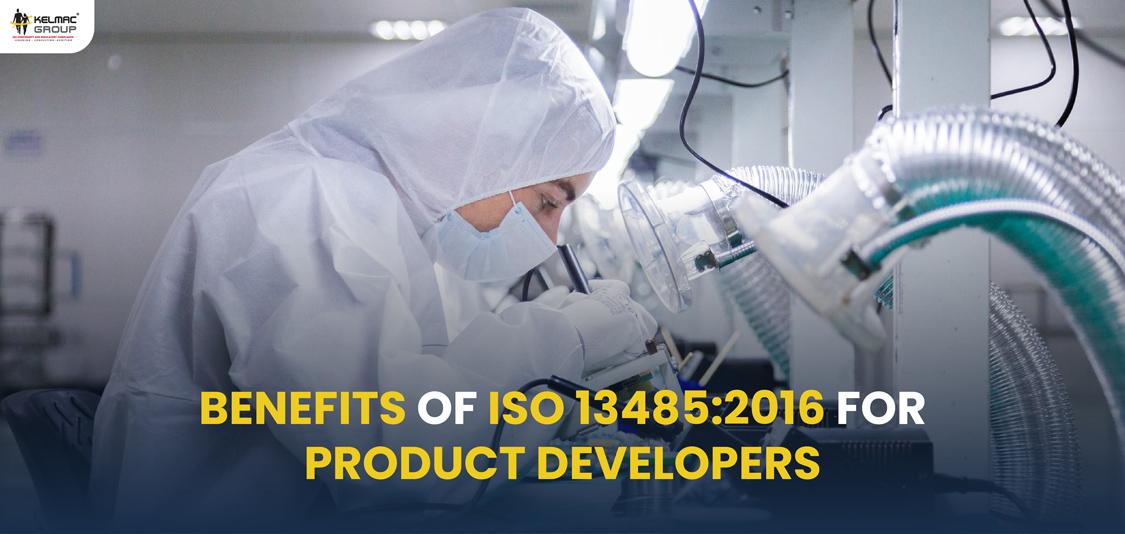
ISO 13485:2016 is a quality management standard, and it is quite similar to ISO 9001. However, this standard helps companies to meet the company's more specialized demand when it comes to making medical and healthcare-related products. ISO 13485:2016 is often referred to when medical products require approval from government bodies such as the FDA. EMA etc. It ensures supplier’s accountability and conformance to industry best practices while making things that safeguard human health. In this article we will take a closer take at ISO 13485:2016, and how it is beneficial for product developers.
What is ISO 13485:2016?
ISO 13485:2016 is an international standard that specifies requirements for a quality management system (QMS) in the medical devices industry. It outlines the criteria for the design, development, production, installation, and servicing of medical devices, with a focus on ensuring compliance with regulatory requirements and maintaining a high level of product quality and safety.
ISO 13485 Courses
- ISO 13485 Fundamental Training Course
- ISO 13485:2016 Internal Auditor Training Course
- ISO 13485:2016 Lead Auditor Training Course
Benefits of ISO 13485:2016 For Product Developers
The following are the benefits of ISO 13485:2016 that can be beneficial for product developers.
Managing Risk
Risk management involves the management team carefully looking at all the steps involved in making a product. They focus on understanding how each step might affect the quality of the finished product. This analysis includes getting help from outside experts when needed.
Clear Communication
One big reason for mistakes in manufacturing is when people don't talk well with each other—like workers, bosses, and teams not understanding each other. So, everyone in the team needs to know exactly what they're supposed to do. This helps cut down on mistakes and makes sure everyone does their best.
Better Training
It's really important for everyone in the medical field and other areas to keep learning about the new and advanced technology being used. The training should mainly cover the important skills that affect the quality of the products. To do this, we first need to figure out what skills everyone already has. After that, we should create special programs to quickly fill in any skill gaps. It's crucial that this system is well-organized, documented, and updated regularly.
Facility Improvements
Making your workplace better is crucial for quality management systems like Lean/Kaizen and ISO 9001. It's not just about looking good; it has practical benefits too. When your factory is clean and organized, it's easier to see if something's wrong. Tools are where they should be, everything has its place, and machines are arranged sensibly. This helps prevent problems and ensures the safety and comfort of the workers.
Supply Chain Control
In today's manufacturing, supply chains can be complex and hard to follow, especially when dealing with various materials. However, it's crucial to keep track and manage these supply chains, especially when making important medical components that can save lives. All the materials used must meet specific engineering requirements and follow ethical business practices.
Design
Changes to the ISO 13485 standard now highlight how crucial it is to follow specific rules when designing and developing certain types of medical products. This is a big deal because medical items are getting more specialized, smaller, and complicated. Manufacturers need to make sure that what they plan on paper can actually be created in the real world with dependable and consistent outcomes. It's easier to achieve this when the supplier and the customer team up early on to perfect the design, well before it gets to the manufacturing stage.
ISO 13485:2016 Certification Benefits
Tech providers must stick to the rules laid out by the ISO standard. If a provider is certified, it means they've made sure your solution meets all these rules, helping you pass medical certification. If a tech company doesn't know about the regulations for medical devices (MDR) that affect the ISO 13485:2016 standard, you might have to redo your solution, and that can be both costly and time-consuming. That is why getting ISO 13485:2016 certified can give you ample benefits.
Relevant Articles
FAQs
Q1: What are the benefits of implementing ISO 13485?
A1: ISO 13485 implementation offers numerous benefits, including improved product quality, enhanced customer satisfaction, streamlined processes, and increased regulatory compliance, ultimately fostering a more robust medical device quality management system.
Q2: What is the main purpose of ISO 13485?
A2: The primary purpose of ISO 13485 is to establish a framework for a quality management system specifically tailored for the design, development, production, and distribution of medical devices, ensuring conformity with regulatory requirements and promoting continuous improvement.
Q3: Which clause of ISO 13485 talks about design and development?
A3: Clause 7 of ISO 13485 is dedicated to the design and development requirements. It outlines the necessary processes to ensure that medical devices meet specified design inputs, undergo proper validation, and adhere to applicable regulatory requirements.
Q4: What is the purpose of ISO 13485 and the requirements for ISO 13485 adherence?
A4: The purpose of ISO 13485 is to set forth internationally recognized standards for a quality management system in the medical device industry. Adherence to ISO 13485 requirements ensures that organizations consistently meet customer and regulatory expectations, demonstrating a commitment to product safety and efficacy.
Q5: What is ISO 13485:2016 and how does it benefit product developers?
A5: ISO 13485:2016 is an international standard for medical device quality management systems. It benefits product developers by providing a framework to ensure the development of safe and effective medical devices, enhancing product quality and regulatory compliance.